
Foxes at Cat Tales Wildlife Center
Meet Our Foxes
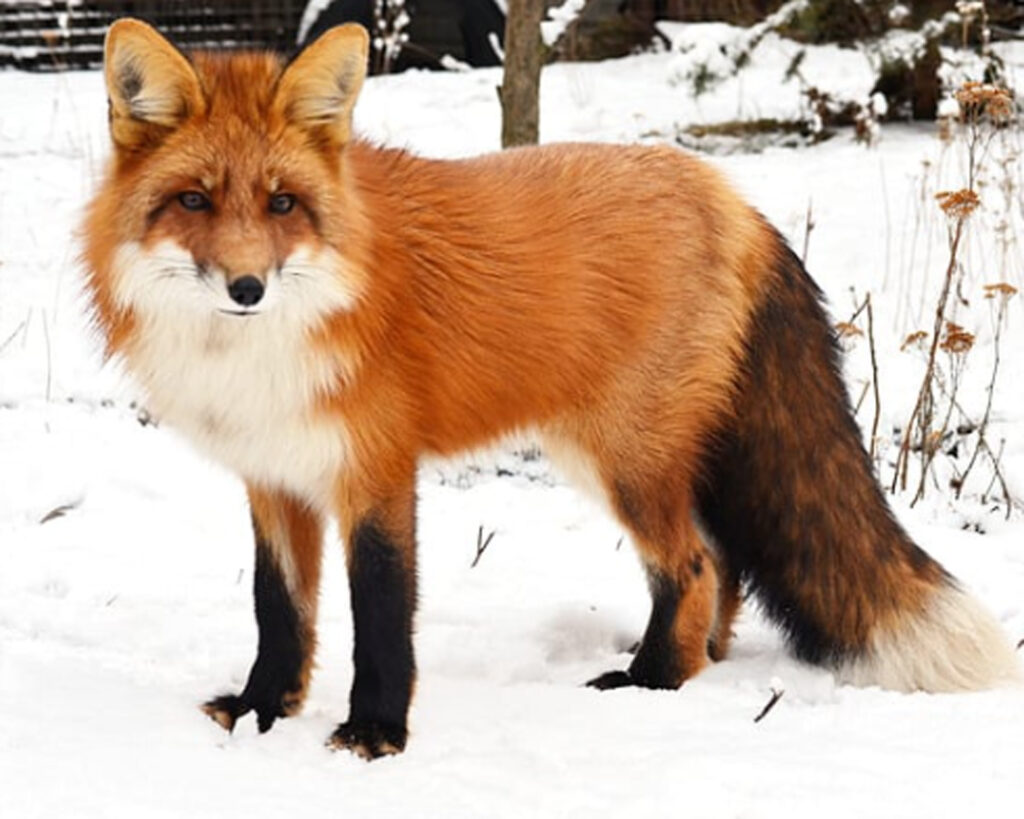
Foxes are intelligent, curious, and full of personality. At Cat Tales Wildlife Center, our foxes help visitors connect with small wild canids while learning about lifelong care, animal behavior, and responsible wildlife education.
Cat Tales is home to several foxes, including red foxes, silver foxes, and Arctic foxes. Each fox has an individual story, personality, and care routine. Some are bold and vocal. Others are shy, observant, playful, or cautious.
Our foxes are wildlife ambassadors. By meeting them, visitors gain a better understanding of fox behavior, why wild animals do not make good pets, and what it takes to provide lifelong care for animals who cannot return to the wild.
About Foxes
Foxes are members of the canid family, which also includes wolves, coyotes, and domestic dogs. They are known for their sharp senses, quick movements, bushy tails, and remarkable ability to adapt to different environments.
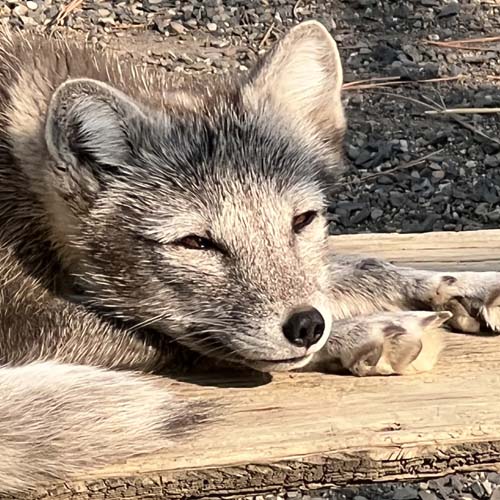
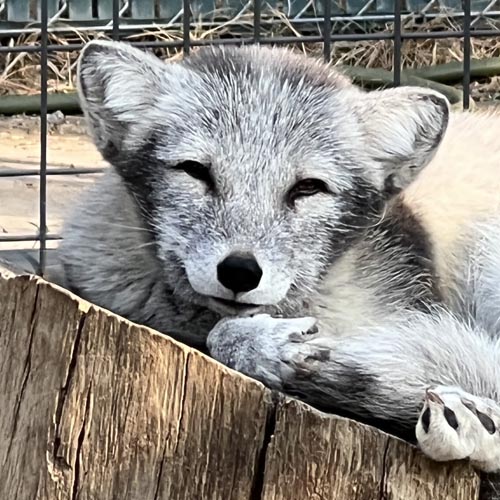
Red foxes are found across much of the Northern Hemisphere and are one of the most adaptable wild canids. Silver foxes are a color variation of the red fox, with dark fur and silver-tipped guard hairs. Arctic foxes are specially adapted for life in cold northern environments, with thick seasonal coats, compact bodies, and fur-covered feet that help protect them from freezing conditions.
Although foxes may look charming or even dog-like, they are wild animals with strong instincts, specialized care needs, and behaviors that do not belong in a home. At Cat Tales, our foxes help visitors appreciate their beauty while understanding the responsibility involved in caring for wildlife.
Meet the Residents
Todd
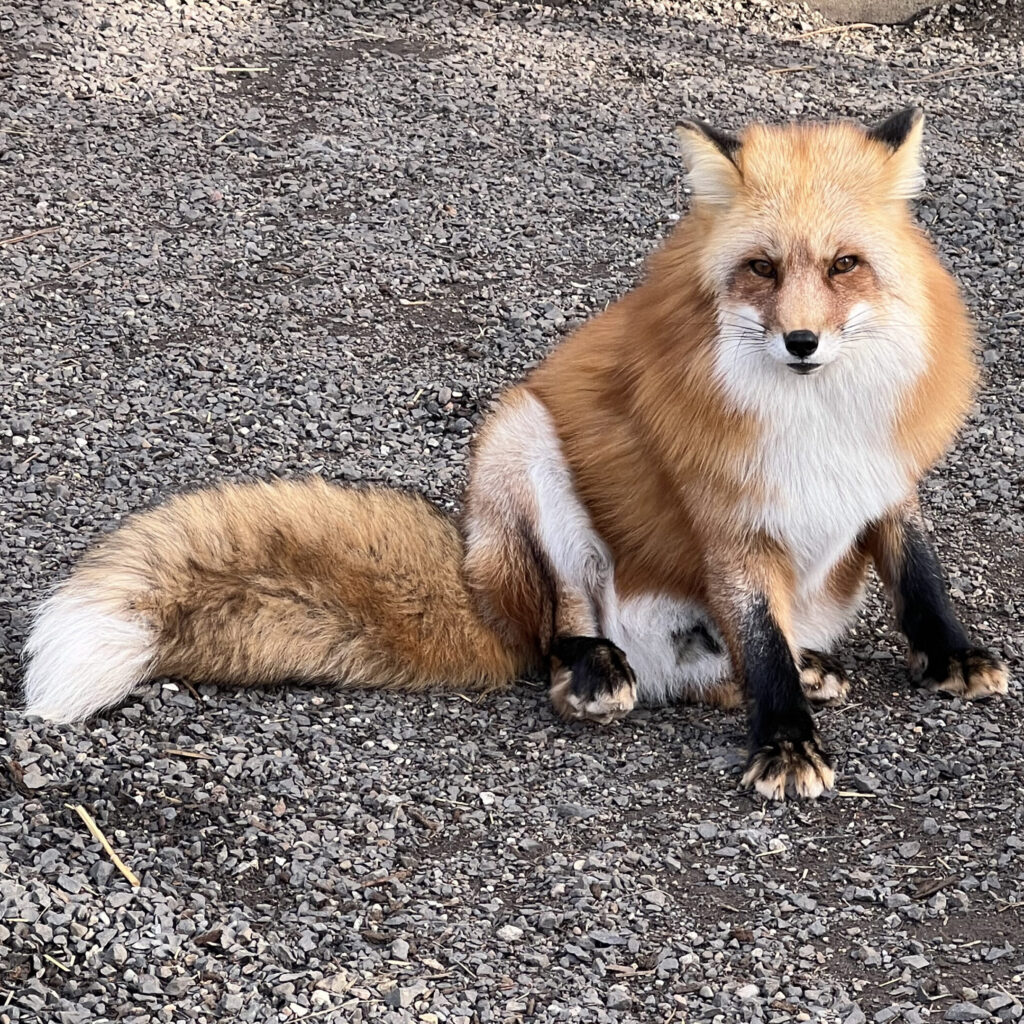
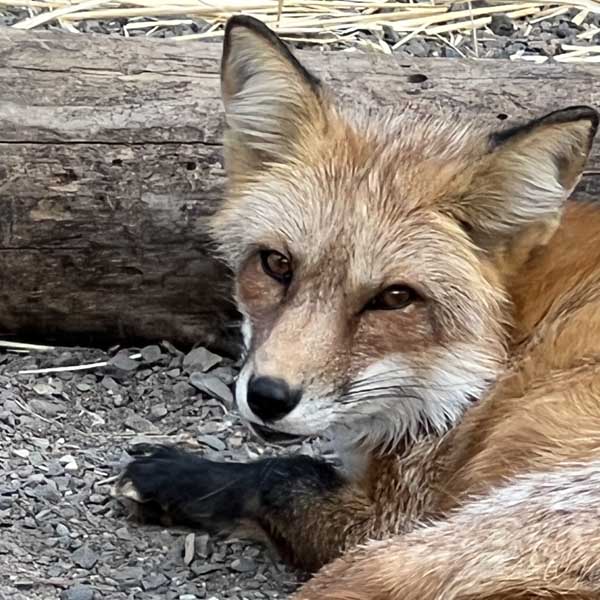
Todd is a red fox born on April 6, 2019. He is curious, expressive, and full of fox personality.
Visitors may see Todd watching activity around the sanctuary, exploring his habitat, or responding to enrichment with quick movements and sharp attention. Like many foxes, he is highly aware of his surroundings and may choose when and how he wants to interact.
Todd helps guests understand that foxes are intelligent wild animals with complex behaviors and strong individual preferences.

Trixie
Trixie is a red fox born on April 6, 2019. She shares Todd’s quick fox energy but has her own distinct personality.
Trixie may be seen moving through her habitat, observing guests, investigating scents, or resting in a favorite spot. Foxes are often cautious and clever, and Trixie helps visitors see how much awareness and decision-making can happen in a small wild canid.
Her story reminds guests that foxes are not pets. They need specialized care, safe habitats, enrichment, and experienced caregivers.
Jasper
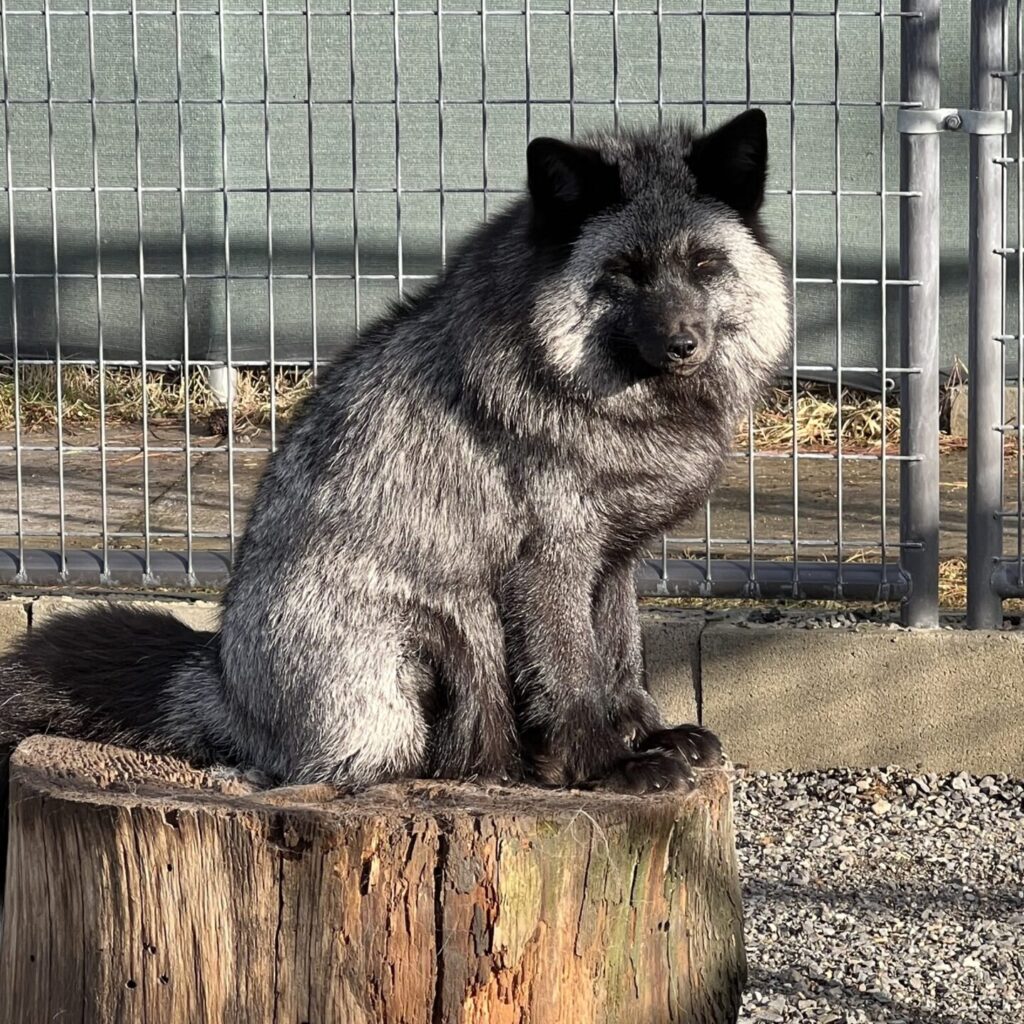
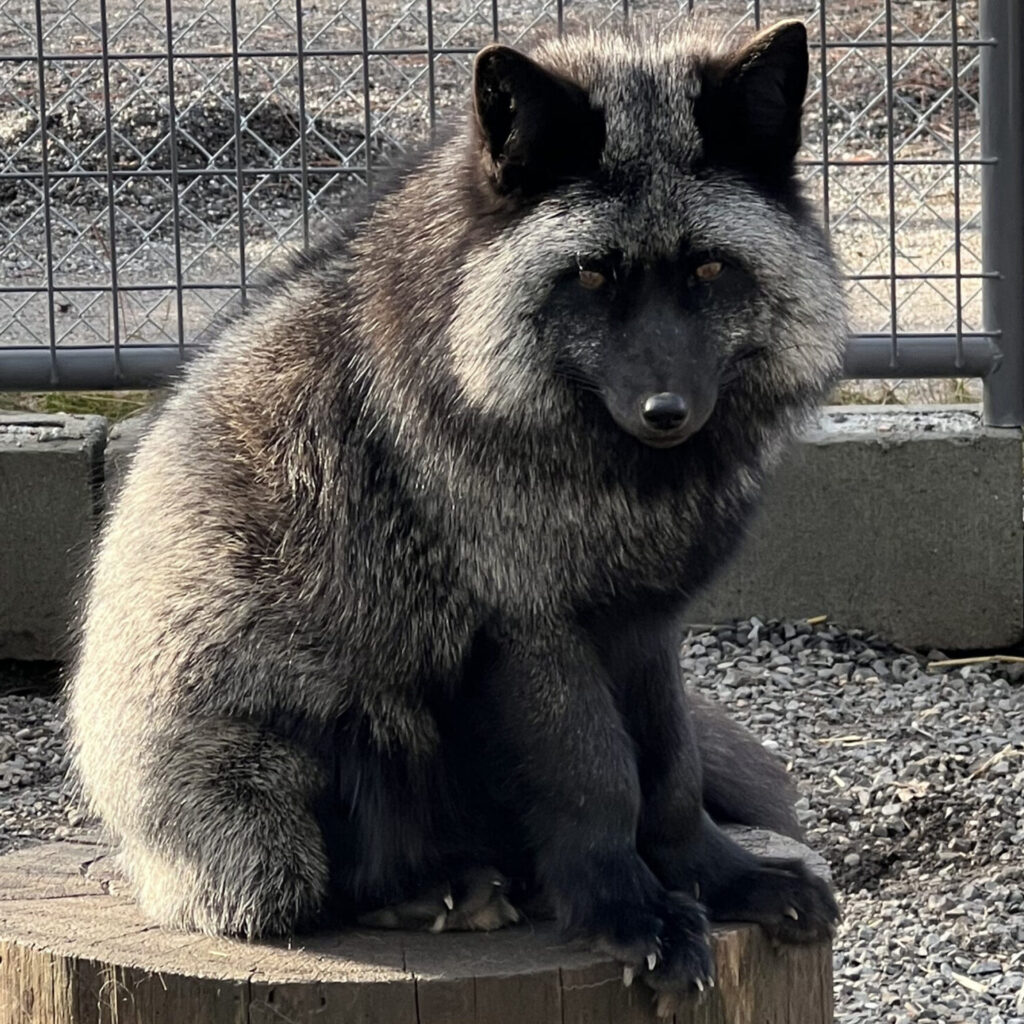
Jasper is a silver fox born on April 15, 2019. His darker coat and silver coloring often catch visitors’ attention.
Silver foxes are not a separate species. They are a color variation of the red fox. Jasper helps visitors understand how coat color can vary within a species while also reminding guests that appearance does not change an animal’s wild nature.
Jasper may be seen exploring, watching quietly, or participating in enrichment when he chooses. His care is designed around his individual needs, behavior, and comfort.
Jinx
Jinx is a silver fox born on April 15, 2019. Like Jasper, he has the striking dark coat and silver highlights that make silver foxes so memorable.
Jinx is an important ambassador for teaching visitors that foxes are intelligent, sensitive animals with strong instincts. He may be curious one moment and cautious the next, which is very typical of fox behavior.
His story helps guests better understand why foxes require patience, respect, and specialized lifelong care.
Kali
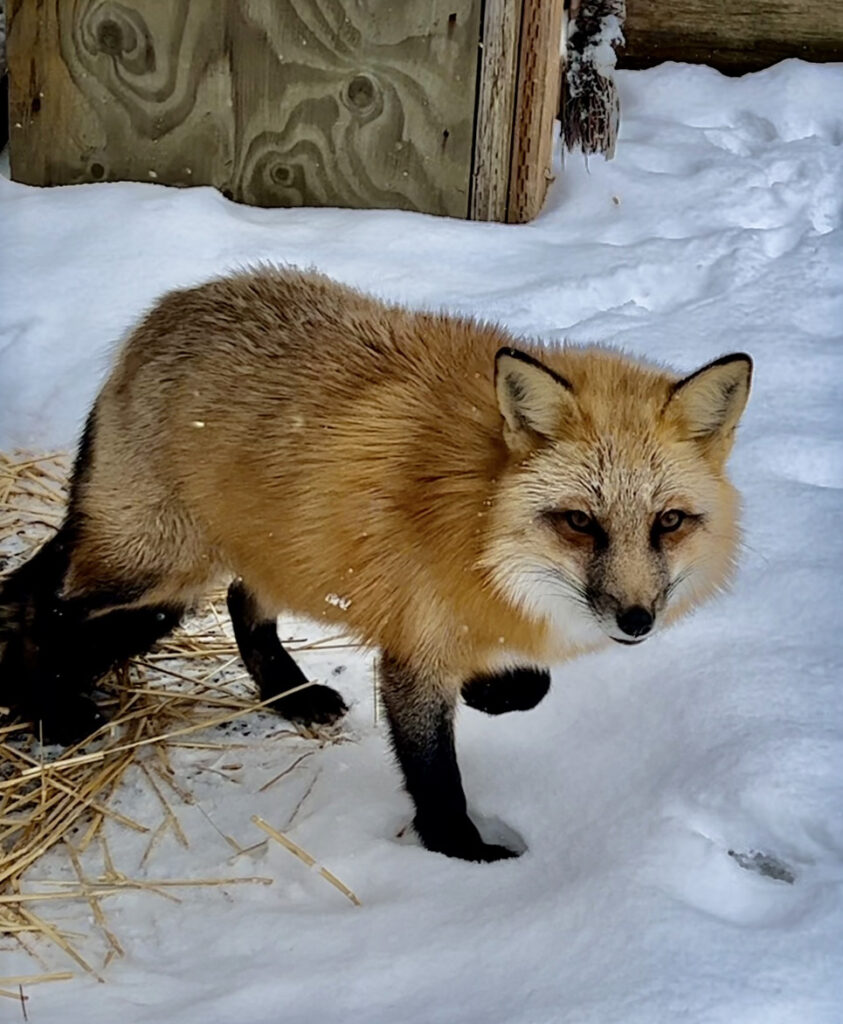
Kali is a red fox with a strong personality and a watchful presence. She helps visitors understand the individuality of foxes and the wide range of behaviors that can be seen within the same species.
Kali may be seen resting, observing, investigating enrichment, or choosing a quieter place in her habitat. Like all foxes at Cat Tales, she receives care based on her health, behavior, comfort, and daily needs.
Her presence adds another important voice to the fox ambassador group.
Jovie
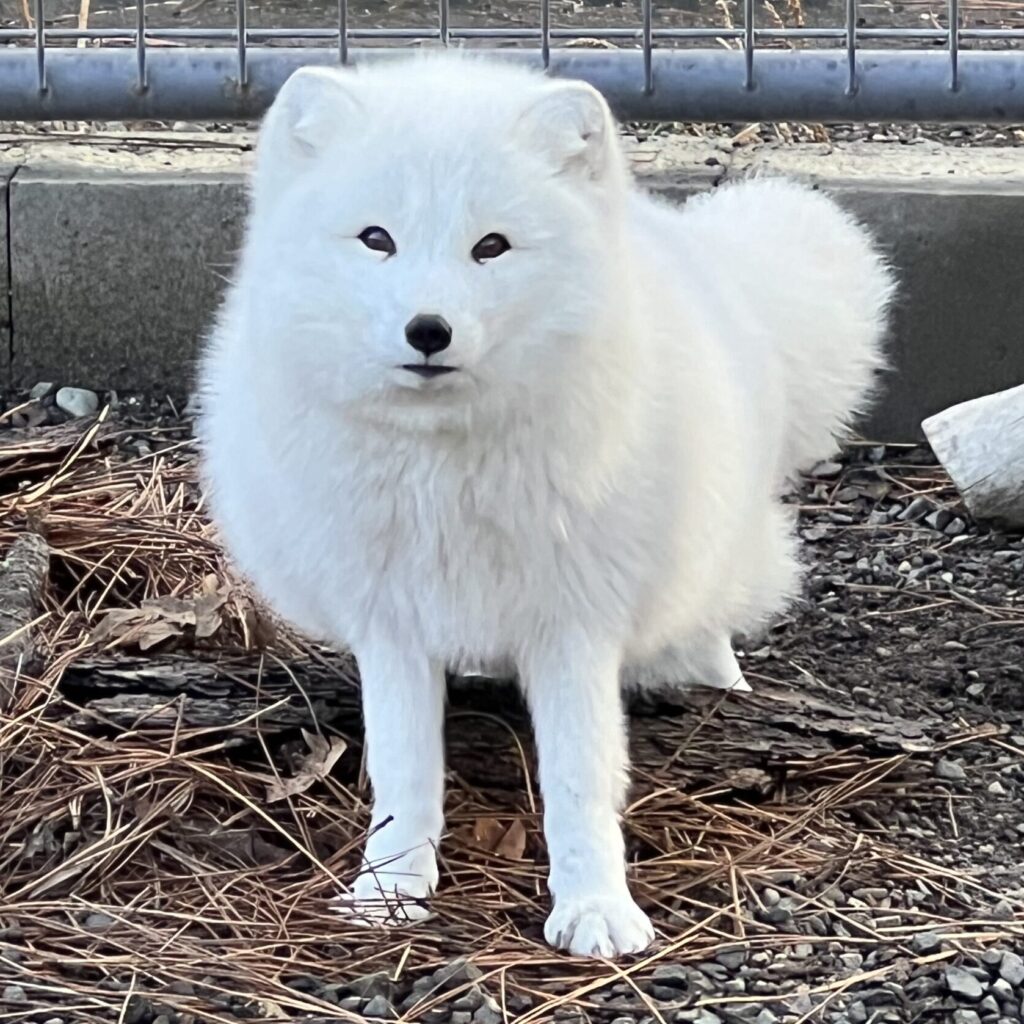
Jovie is an Arctic fox, a species known for remarkable cold-weather adaptations. Arctic foxes grow dense winter coats and have fur-covered feet that help protect them in freezing environments.
At Cat Tales, Jovie helps visitors learn about seasonal changes, adaptation, and the difference between animals built for cold climates and the care they need in human settings.
Depending on the season, visitors may notice changes in coat condition, activity, and comfort needs. Jovie’s story helps guests understand how closely animal care is tied to natural history.
Buddy
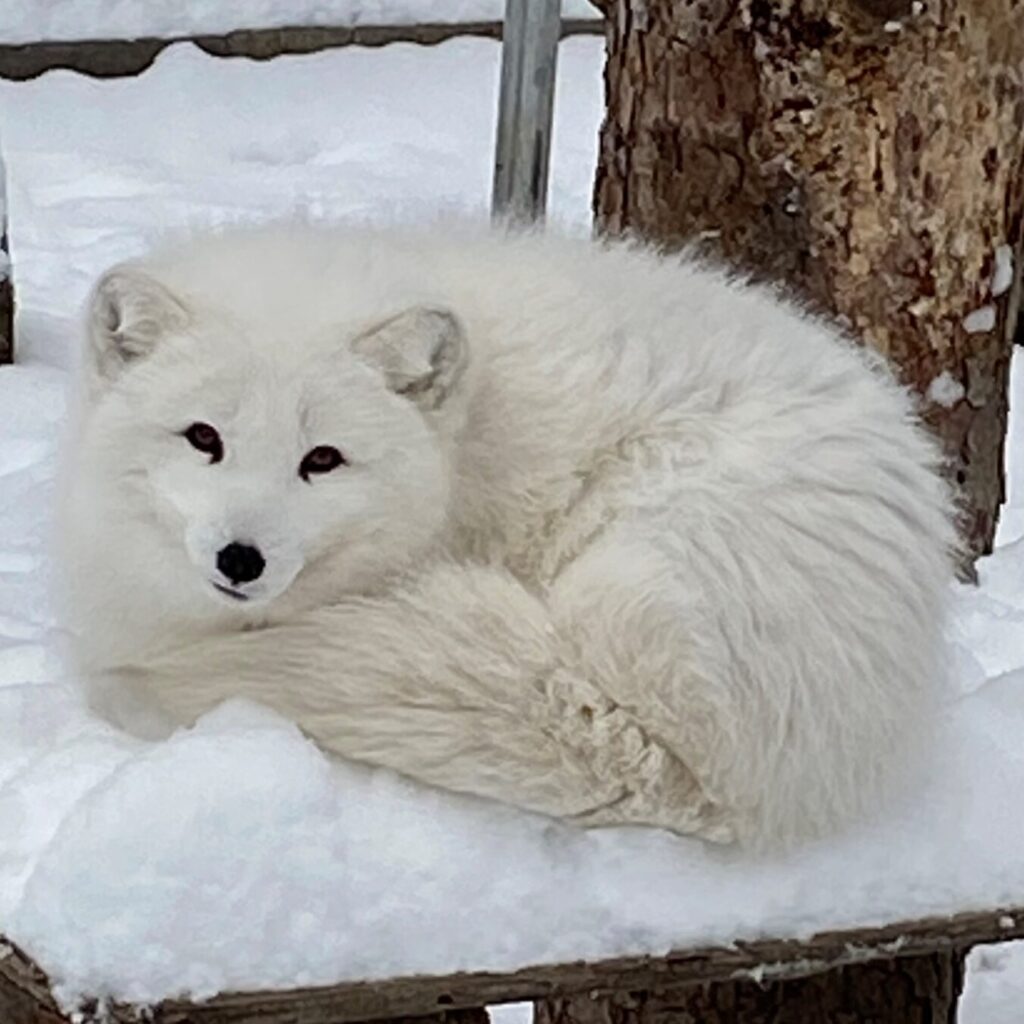
Buddy is an Arctic fox and another ambassador for cold-weather adaptation. Like Jovie, he represents a species built for life in some of the harshest northern environments.
Buddy may be seen resting, exploring, observing his surroundings, or responding to enrichment. Arctic foxes are small but resilient animals, and Buddy helps visitors appreciate how specialized their bodies and behaviors are.
His care includes attention to seasonal comfort, diet, enrichment, and daily observation.
How We Care for Foxes
Caring for foxes requires patience, observation, and respect for the needs of small wild canids. Foxes are quick, clever, sensitive, and highly aware of changes in their environment.
Fox care at Cat Tales includes:
- Carefully prepared diets based on each fox’s age, health, species, and individual needs
- Daily observation by trained animal care staff and students
- Enrichment that encourages natural behaviors such as scent investigation, digging, exploring, problem-solving, and foraging
- Protected-contact care routines that keep both animals and people safe
- Veterinary care, wellness monitoring, and age-appropriate support
- Habitat maintenance, shade, bedding, den spaces, hiding places, and seasonal comfort
Every fox has a care plan designed around who they are as an individual.
Why Foxes Matter
Foxes play important roles in the ecosystems where they live. They help control small animal populations, spread seeds through their diet, and contribute to the balance of natural communities.
Foxes are also one of the wild animals people often misunderstand. Their beauty, small size, and playful behavior can make them seem pet-like, but foxes have strong instincts, special dietary needs, scent-marking behaviors, digging behaviors, and complex welfare needs.
When visitors meet the foxes at Cat Tales, they learn that loving wildlife means respecting wildlife. The best way to appreciate foxes is to understand them as wild animals, not as pets.
Seasonal Changes and Fox Adaptations
Foxes are excellent examples of adaptation. Arctic foxes grow dense winter coats that help them survive extreme cold. Their feet can grow thick fur in winter, giving extra protection against frozen ground and snow. In warmer months, that heavy winter coat sheds back.
Red and silver foxes also change seasonally, growing thicker coats in colder weather and lighter coats during warmer months.
These changes help visitors see how closely animals are connected to their natural environments and why individualized care matters throughout the year.
Visiting the Foxes
Foxes are often active, curious, and entertaining to watch, but every day is different. Depending on the weather, time of day, and each fox’s individual preferences, they may be resting, exploring, vocalizing, watching guests, digging, or investigating enrichment.
The best visits happen when guests slow down and look for small details: a quick glance, a tucked tail, a playful bounce, a scent investigation, or the way a fox moves quietly through the habitat.
Each fox chooses how to spend the day, and every visit offers something a little different.
Support Fox Care
Your support helps provide food, veterinary care, enrichment, habitat maintenance, and lifelong care for the foxes at Cat Tales Wildlife Center.
When you sponsor the foxes, donate, become a member, or visit the sanctuary, you help care for Todd, Trixie, Jasper, Jinx, Kali, Jovie, and Buddy while supporting education that helps people better understand wildlife.
Your sponsorship helps care for these wildlife ambassadors every day. Choose a one-time sponsorship to make an immediate impact, or become a monthly sponsor to provide steady support for food, veterinary care, enrichment, habitat maintenance, and lifelong sanctuary care.
Frequently Asked Questions
Are silver foxes a separate species?
No. Silver foxes are a color variation of the red fox. They are still red foxes, even though their coats are darker with silver-tipped fur.
Are Arctic foxes the same as red foxes?
No. Arctic foxes and red foxes are different species. Arctic foxes are specially adapted for cold northern environments, while red foxes are highly adaptable and found in many different habitats.
Do foxes make good pets?
No. Foxes are wild animals and do not make good pets. They have strong instincts, specialized care needs, scent-marking behaviors, digging behaviors, and require secure habitats and experienced caregivers.
Can I see the foxes when I visit?
Most visitors are able to see at least some of the foxes during their visit, but visibility depends on the weather, time of day, habitat use, and each fox’s individual choice.
Why can’t these foxes go back to the wild?
The foxes at Cat Tales depend on human care and secure sanctuary habitats. They require specialized diets, veterinary care, enrichment, and trained caregivers.
Why do Arctic foxes change so much with the seasons?
Arctic foxes are adapted for extreme cold. Their coats become much thicker in winter, and the fur on their feet helps protect them from freezing ground. In warmer months, they shed much of that heavy winter coat.
How does my visit or sponsorship help?
Admission, memberships, sponsorships, and donations help support daily animal care, food, enrichment, veterinary needs, habitat maintenance, and the education mission of Cat Tales Wildlife Center.