
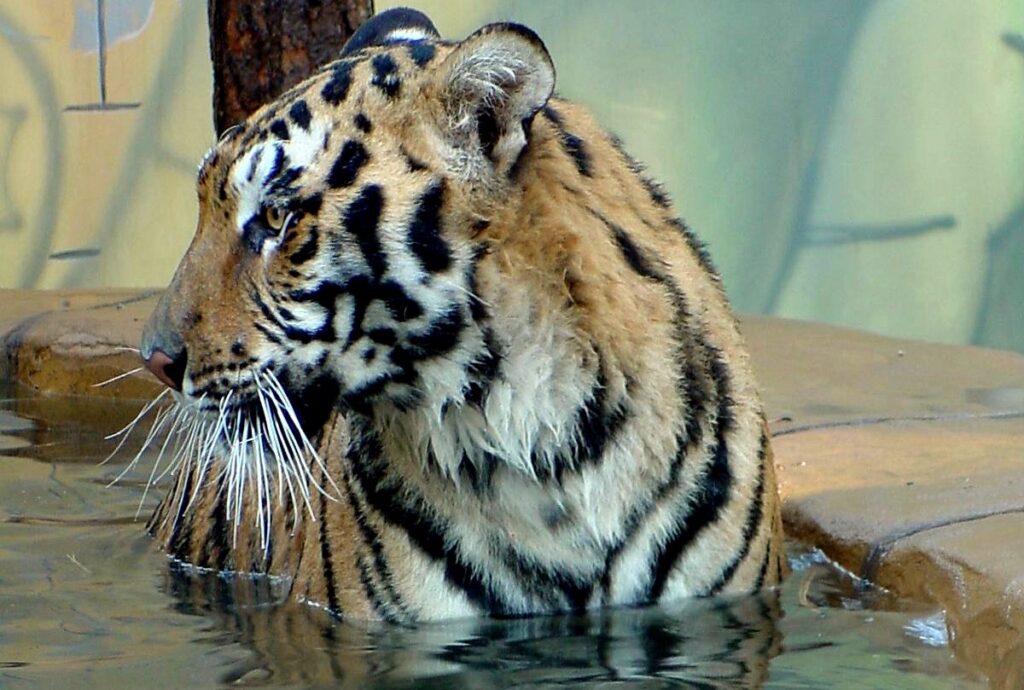
Tigers at Cat Tales Wildlife Center
Tigers are powerful, intelligent, and unforgettable animals. At Cat Tales Wildlife Center, our tigers help visitors connect with one of the world’s most iconic endangered species while learning about lifelong wildlife care, conservation, and responsible sanctuary work.
Every tiger at Cat Tales has an individual story, personality, and care routine. Some are playful and social. Others are more watchful and reserved. All receive specialized diets, enrichment, veterinary care, and daily attention from trained animal care staff and students.
Our tigers are wildlife ambassadors. By meeting them, visitors gain a deeper understanding of what it takes to care for large carnivores and why wild tigers still need protection.
About Tigers
Tigers are the largest cats in the world. In the wild, they are solitary hunters that depend on large territories, healthy prey populations, and protected habitat. Each tiger has a unique stripe pattern, much like a fingerprint.
Wild tigers are found only in parts of Asia. Although conservation work has helped some tiger populations recover, tigers are still endangered. They continue to face threats from habitat loss, poaching, illegal wildlife trade, and conflict with people.
At Cat Tales, our tigers help tell that larger story. They remind us that wildlife conservation begins with connection, education, and respect.
Meet the Residents
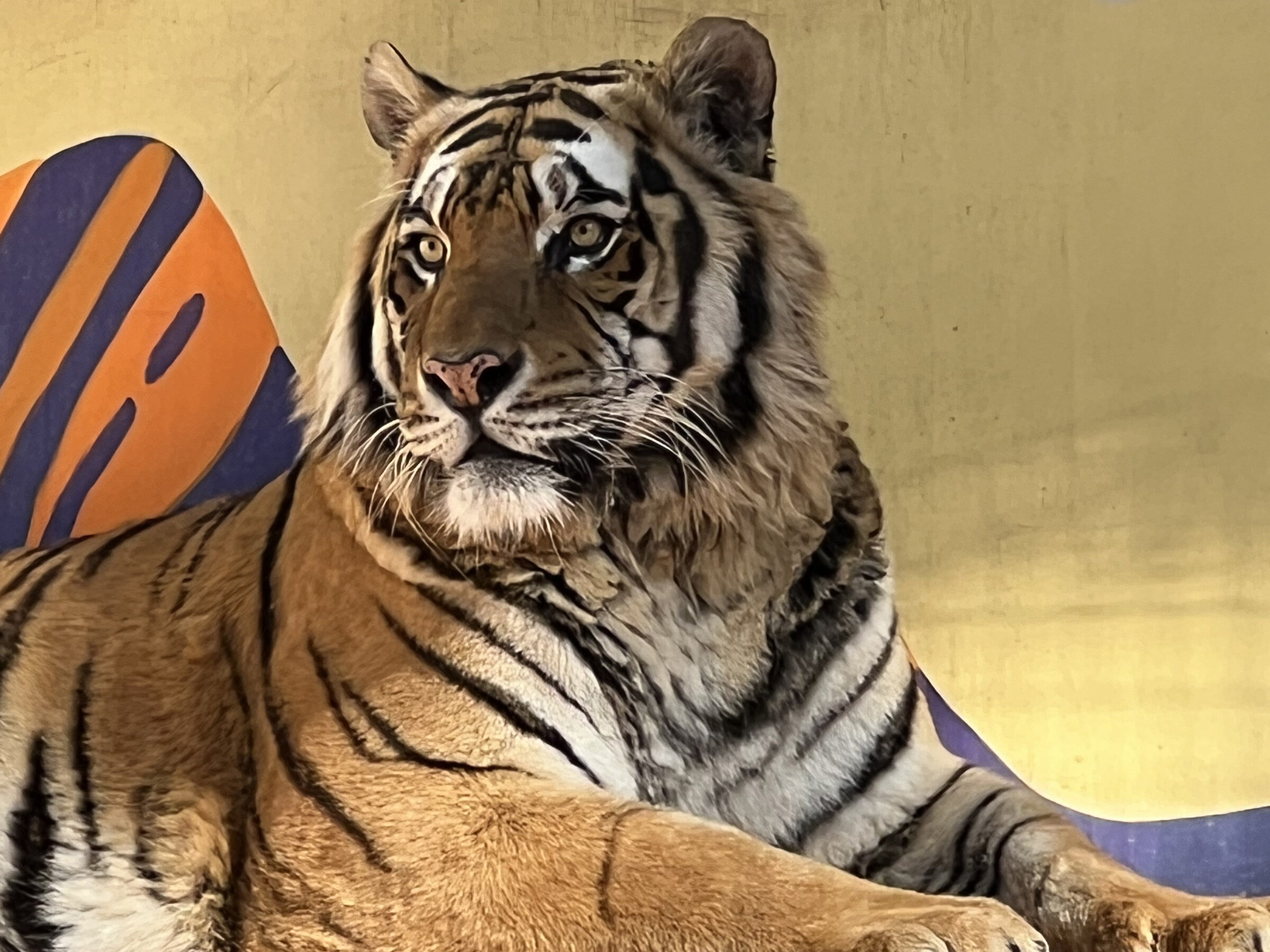
Tigger
Tigger is a Bengal tiger born on May 20, 2010. He arrived at Cat Tales as a young tiger with his brother, Zorro, after their previous facility could no longer provide the care they needed.
Tigger is known for his outgoing personality and his friendly chuffle, a soft tiger greeting often heard by the people he knows well. He is curious, expressive, and quick to notice what is happening around him.
Visitors may see Tigger relaxing near his pool, exploring his habitat, or watching the day’s activity with full tiger confidence. His big personality makes him a memorable ambassador for his species.
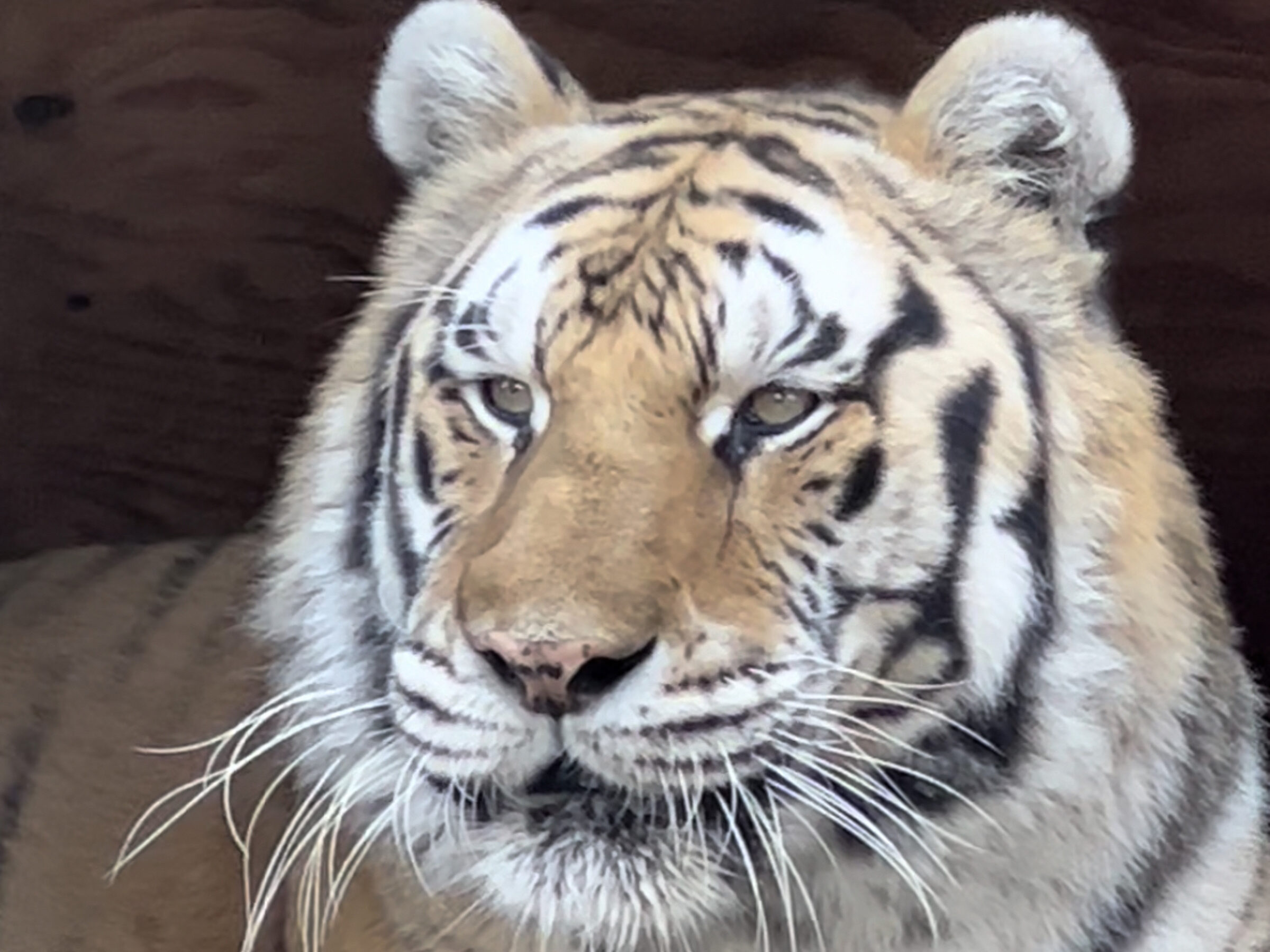
Koshka
Koshka is a Siberian/Amur tiger born on November 24, 2007. He is one of the largest cats at Cat Tales and has a calm, thoughtful presence.
Koshka is often more reserved than some of the other tigers. He likes to observe before deciding how he wants to participate. That quiet intelligence is part of what makes him special.
He enjoys enrichment, seasonal changes, and calm routines. As an older tiger, Koshka also receives care that supports his comfort, mobility, and long-term well-being.
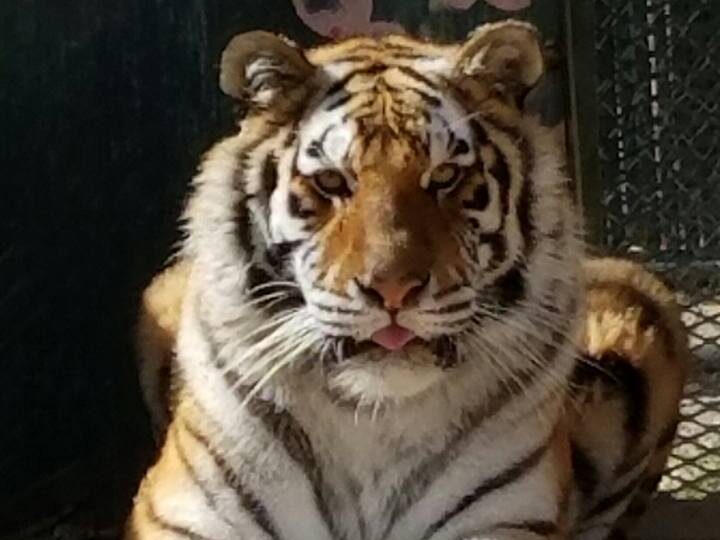
Sestra
Sestra is a Siberian/Amur tiger born on November 24, 2007. She is bold, active, and full of personality.
Sestra is often seen engaging with enrichment, moving through her habitat, or enjoying time near the water. She is confident and expressive, with a lively presence that visitors and keepers remember.
Her care includes enrichment that encourages movement, curiosity, and natural tiger behaviors. Sestra helps guests see that tigers are not just beautiful animals; they are intelligent individuals with strong preferences and personalities.
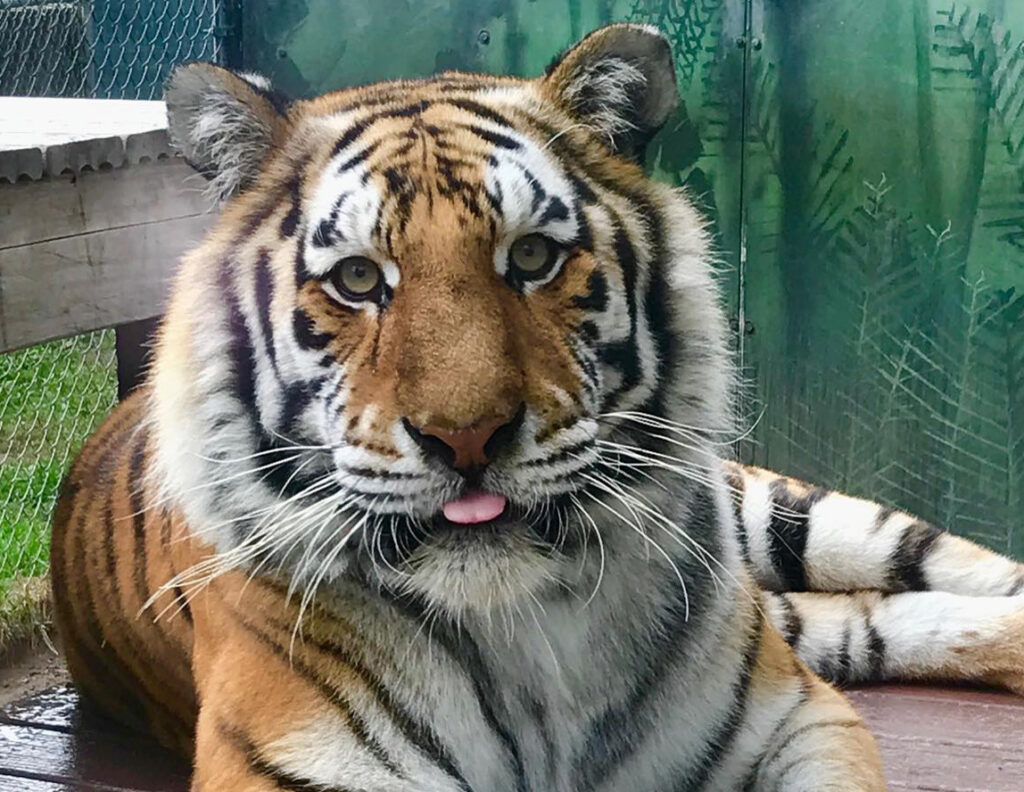
Amura
Amura is a Siberian/Amur tiger born in April 2010. She is known for her beauty, confidence, and watchful nature.
As a singleton cub, Amura had a unique early life and grew up with a special companion. Today, she continues to charm the people who care for her with her gentle but spirited personality.
Amura enjoys exploring her surroundings, watching activity around the sanctuary, and participating in enrichment on her own terms. Her story helps visitors understand the individuality of every animal at Cat Tales.
How We Care for Tigers
Caring for tigers requires experience, teamwork, and daily attention to detail. Large carnivores have complex physical, mental, and safety needs.
Tiger care at Cat Tales includes:
- Carefully prepared diets based on each tiger’s age, size, health, and individual needs
- Daily observation by trained animal care staff and students
- Enrichment that encourages natural behaviors such as scent investigation, play, problem-solving, and exploration
- Protected-contact care routines that keep both animals and people safe
- Veterinary care, wellness monitoring, and geriatric support as tigers age
- Habitat maintenance, shade, bedding, pools, and seasonal comfort
Every tiger has a care plan designed around who they are as an individual.
Why Tigers Matter
Tigers are apex predators, which means they play an important role in the ecosystems where they live. Protecting wild tigers also helps protect forests, prey species, watersheds, and many other animals that share their habitat.
Today, only several thousand tigers remain in the wild. Conservation groups estimate the global wild tiger population at roughly 5,500 to 5,700 individuals, and tigers remain endangered.
When visitors meet the tigers at Cat Tales, they see more than size and beauty. They see the responsibility that comes with caring for wildlife and the importance of protecting species before they disappear from the wild.
Visiting the Tigers
Tigers are often a favorite stop for visitors, but every day is different. Depending on the weather, time of day, and individual tiger preferences, they may be resting, exploring, watching guests, enjoying enrichment, or relaxing in shaded areas.
The best visits happen when guests slow down, observe quietly, and look for small behaviors: a chuffle, a tail flick, a scent investigation, a stretch, or a watchful glance.
Support Tiger Care
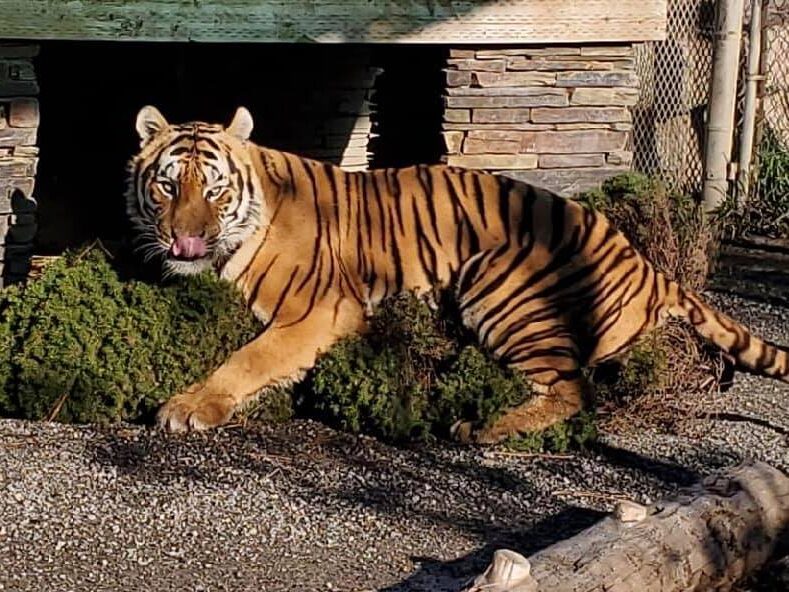
Your support helps provide food, veterinary care, enrichment, habitat maintenance, and lifelong care for the tigers at Cat Tales Wildlife Center.
When you sponsor the tigers, donate, become a member, or visit the sanctuary, you help care for these remarkable animals and support education that connects people with wildlife.
Your sponsorship helps care for these wildlife ambassadors every day. Choose a one-time sponsorship to make an immediate impact, or become a monthly sponsor to provide steady support for food, veterinary care, enrichment, habitat maintenance, and lifelong sanctuary care.
Frequently Asked Questions
Where is Nalin the white tiger?
Nalin has his own page so visitors can learn more about white tigers, his individual story, and his sponsorship opportunity.
Can I see the tigers when I visit?
Most visitors are able to see at least some of the tigers during their visit, but visibility depends on the weather, time of day, habitat use, and each tiger’s individual choice.
Why can’t these tigers go back to the wild?
The tigers at Cat Tales were born or raised in human care and cannot survive independently in the wild. They depend on specialized diets, veterinary care, secure habitats, and trained caregivers.
Are tigers endangered?
Yes. Tigers are endangered, and wild populations continue to face threats from habitat loss, poaching, illegal wildlife trade, and conflict with people.
How does my visit help?
Admission, memberships, sponsorships, and donations help support daily animal care, food, enrichment, veterinary needs, habitat maintenance, and the education mission of Cat Tales Wildlife Center.